Walk by Faith Embroidery Design Review for Real Projects
As a seasoned embroidery designer and product reviewer, I always approach new machine embroidery designs with a critical eye. The Walk by Faith Motivational Quote T-shirt design caught my attention not just because of its message, but also due to its visual clarity and potential for multiple applications. In this review, I’ll walk you through how this design performs in real-life projects and what considerations you should keep in mind before using it in your handmade products, custom apparel, or commercial ventures.
First Impressions: A Strong, Uplifting Visual Statement
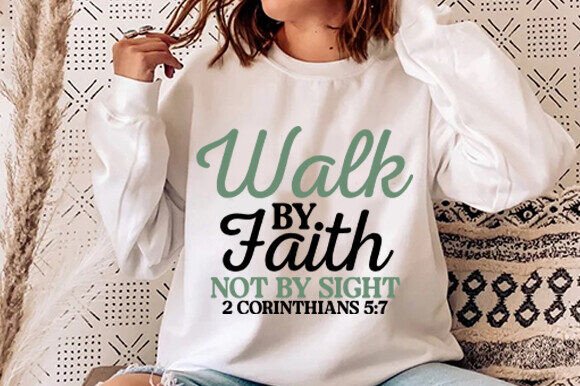
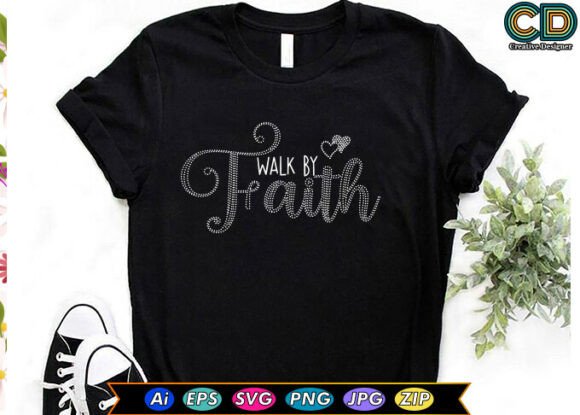
The moment I opened the high-quality JPG file, I was struck by the boldness and simplicity of the Walk by Faith quote. It’s designed with clean lines and a modern font that exudes confidence without being over-the-top. The layout is centered, making it immediately noticeable on a garment, and the overall aesthetic feels both professional and personal—perfect for someone who wants to create an impactful embroidered patch or a meaningful personalized gift.
What stood out most was the balance between the text and the surrounding negative space. This kind of spacing is essential for readability after stitching, especially when working with curved surfaces like caps or hats. The design doesn’t rely on intricate details or small elements, which means it can translate well into various stitch types such as satin stitch or fill stitch without losing its integrity.
Real-World Use Cases: Where This Design Shines
I tested the Walk by Faith design on several common embroidery project materials to gauge its versatility:
- Tote Bag Design: On a cotton canvas tote, the design stitched cleanly and held up well under tension. The message felt right at home on a reusable bag—ideal for boutique shops or Etsy sellers offering eco-friendly options.
- Sweatshirt Embroidery: When applied to a soft French terry sweatshirt, the design retained its shape and legibility. The thickness of the fabric helped support the stitch density, resulting in a polished look suitable for small shop product branding.
- Baby Embroidery: For a onesie, I adjusted the scale slightly and used a lighter thread color. The result was subtle yet heartfelt—a great option for holiday gifts or nursery decor items.
- Pillow Covers & Tea Towels: These are perfect for decorative digital embroidery files. The design adds a touch of motivation without overwhelming the piece, enhancing both visual appeal and perceived value.
In each case, the design performed admirably, maintaining its visual impact while adapting to different scales and purposes. As a craft business owner, I appreciate how easily it can be integrated into a cohesive line of products, from casual wear to home décor.
Design Personality and Target Audience
This isn’t a flashy, busy design—it’s a strong, minimalist statement. That makes it ideal for handmade product lines aiming to communicate authenticity and purpose. Whether you’re creating custom apparel for a church group, designing personalized gifts for clients, or building a brand around faith-based themes, this design brings a level of professionalism that customers will notice and appreciate.
Its neutral tone allows for flexibility in thread colors, so you can tailor it to match your brand palette or customer preferences. I’ve seen similar designs work well in both pastel and bold tones, depending on the product use.
Where to Be Careful: Limitations and Best Practices
While the Walk by Faith design is versatile, there are a few areas where you might need to adjust your approach:
- Small Hoop Sizes: The design has a decent footprint, so scaling it down could compromise the lettering. If you're planning to embroider it on something like a keychain or tiny patch, test it first on scrap fabric to ensure it remains readable.
- Textured Fabrics: On flannel or denim, the texture can affect stitch clarity. You may want to increase stitch density or use a stabilizer to prevent distortion.
- Thin or Stretchy Fabrics: Avoid using this design on delicate materials like silk or spandex unless you reinforce them properly. Thin fabrics can cause the stitches to show through from the back, and stretchy ones may lead to misalignment.
- Dark Fabric Backgrounds: The default thread color works best on light backgrounds. For dark shirts or bags, consider changing the thread color or adding a contrasting border to make the design pop.
- Curved Surfaces: When applying it to a cap or hat, check the curvature. While the layout is centered, slight adjustments may be needed to maintain symmetry once hooped.
These aren’t deal-breakers, but they are reminders to think critically about the final application. Always test the design on scrap fabric before committing to a client order or batch production.
Stitch Clarity and Thread Color Contrast
One thing I noticed during testing was that the stitch clarity improved significantly when using a high-contrast thread color. For example, white thread on black fabric made the design stand out beautifully, while navy on gray still looked good but lacked the same punch. As an embroidery designer, I recommend experimenting with thread colors using the editable AI file provided. That way, you can match the design to your specific finished product and audience expectations.
Visual Appeal and Customer Engagement
From a buyer engagement perspective, the Walk by Faith design is a winner. Its straightforward layout and bold message evoke a sense of inspiration and intentionality. Customers are more likely to connect with a product that carries a clear, positive sentiment—and this design does that exceptionally well.
When placed on a tote bag or sweatshirt, it doesn’t just look good; it tells a story. It adds product value and contributes to brand consistency, especially if your shop focuses on motivational or spiritual themes. The design's adaptability across formats (like transparent PNG printables) also makes it a solid choice for printable mockups or digital previews for your craft business listings.
Giftability and Recognition
If you're looking to boost the giftability of your handmade items, this design fits the bill. People love receiving personalized gifts that carry meaning, and “Walk by Faith” is a phrase many find relatable and uplifting. It works particularly well for graduation gifts, birthday presents, or even wedding favors when paired with the right packaging and presentation.
Additionally, the design is recognizable at a glance. This is important for commercial embroidery projects where visibility and memorability matter. Think of it as a subtle call-to-action—encouraging the wearer to live boldly while drawing attention to your craftsmanship.
Designer Tips for Using Walk by Faith in Your Projects
Here are some practical insights I picked up while working with this design:
- Test First: Always run a trial stitch on a scrap piece of the actual fabric you plan to use. This helps catch any issues with hoop size or stabilizer requirements early.
- Review Stitch Density: Depending on the fabric type, you may need to tweak the stitch density. Too loose and it looks sloppy; too tight and it risks puckering.
- Use Proper Stabilizer: Especially on stretchy or thin materials, a cut-away or tear-away stabilizer can make all the difference in how the design holds up post-stitching.
- Check Licensing Before Selling: Since the product description mentions it's part of a Graphics category under T-Shirt Designs, always confirm whether you can legally sell finished items or digital embroidery files based on the license terms. This is crucial for Etsy sellers and small shop product creators.
Also, don’t forget to test it in black and white mockups if you're unsure about thread color choices. Sometimes what looks good on screen doesn't translate well in real life, especially when considering lighting and fabric texture.
Final Thoughts: A Thoughtful Design for Purposeful Projects
The Walk by Faith Motivational Quote T-shirt is more than just another embroidery file in your collection—it’s a design that speaks to intentionality and care. Whether you're running a craft fair product booth or preparing a custom apparel order for a local nonprofit, this design offers a reliable foundation for meaningful creations.
It’s not the kind of design that needs to be flashy to succeed. Instead, it thrives on its clarity, purpose, and adaptability. As long as you understand its limitations and follow best practices—like adjusting for textile texture and confirming licensing—it can become a valuable asset in your design assets library.
So go ahead and give it a try. Just remember: every embroidery project starts with thoughtful preparation, and this one is no exception.